Most digital programmes fail in the gap between the research and the release.
I have spent twenty years working on both sides of that gap. I run the research in discovery, then own the requirements and the backlog that come out of it.
What stays constant is the kind of problem: complicated products, considered purchases, several people in the decision, and an organisation that knows what it sells but not how its customers buy. The disciplines vary by engagement. The problem rarely does.
Strategy that nobody can build is an expensive document, and delivery without evidence behind it is guesswork. Working both ends means the trade-offs get made in the open, with the client, rather than quietly disappearing somewhere between a recommendation and a sprint.
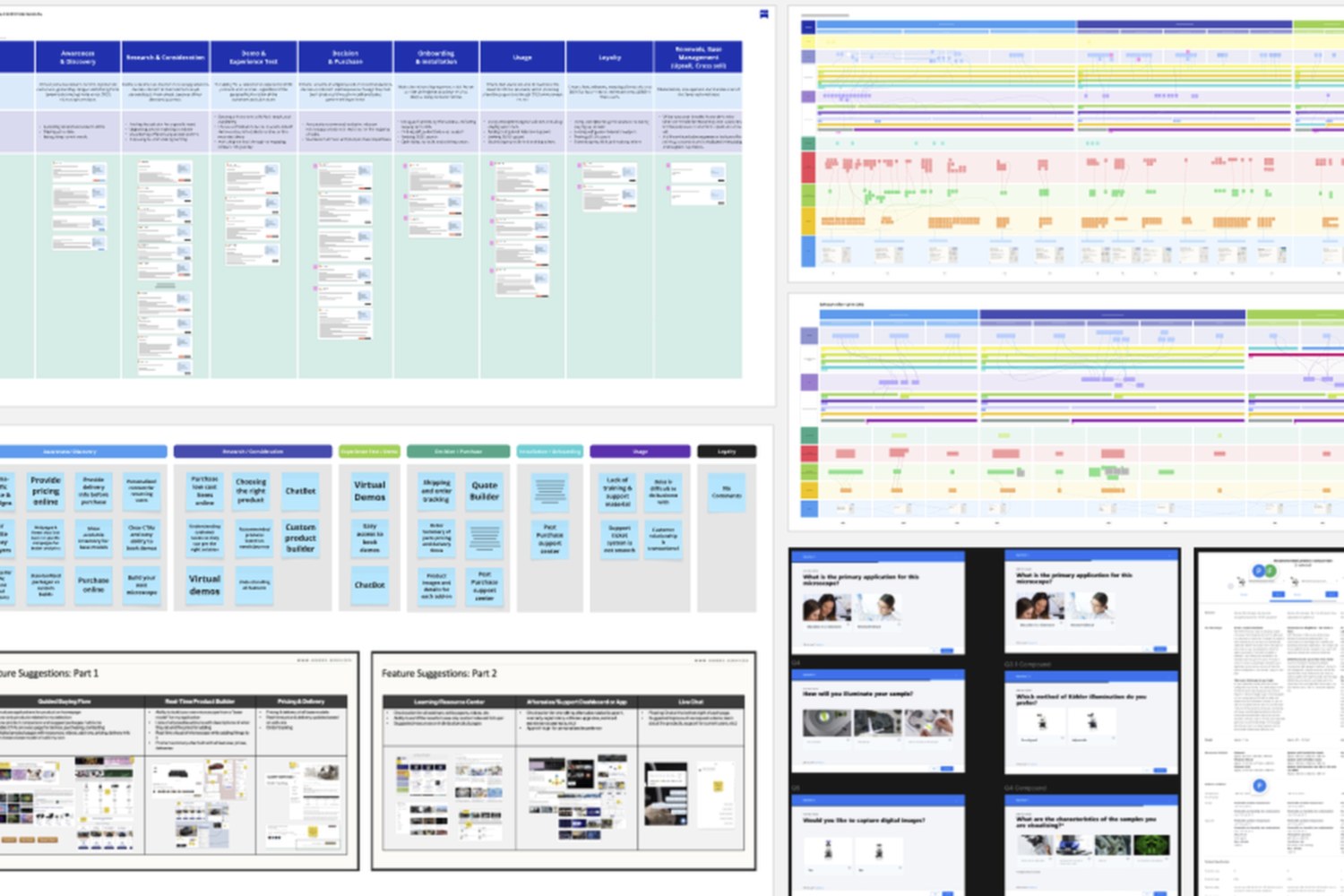
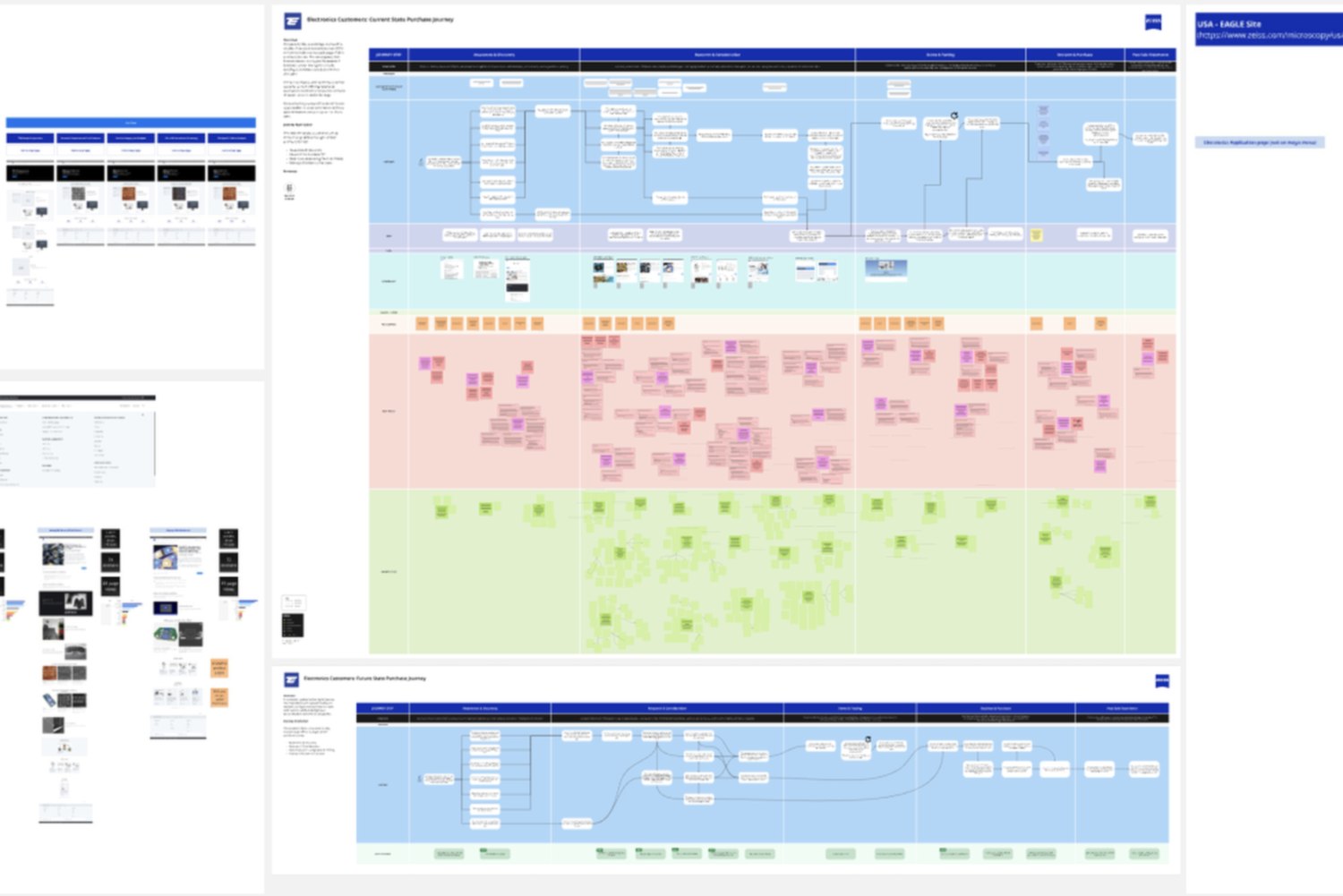
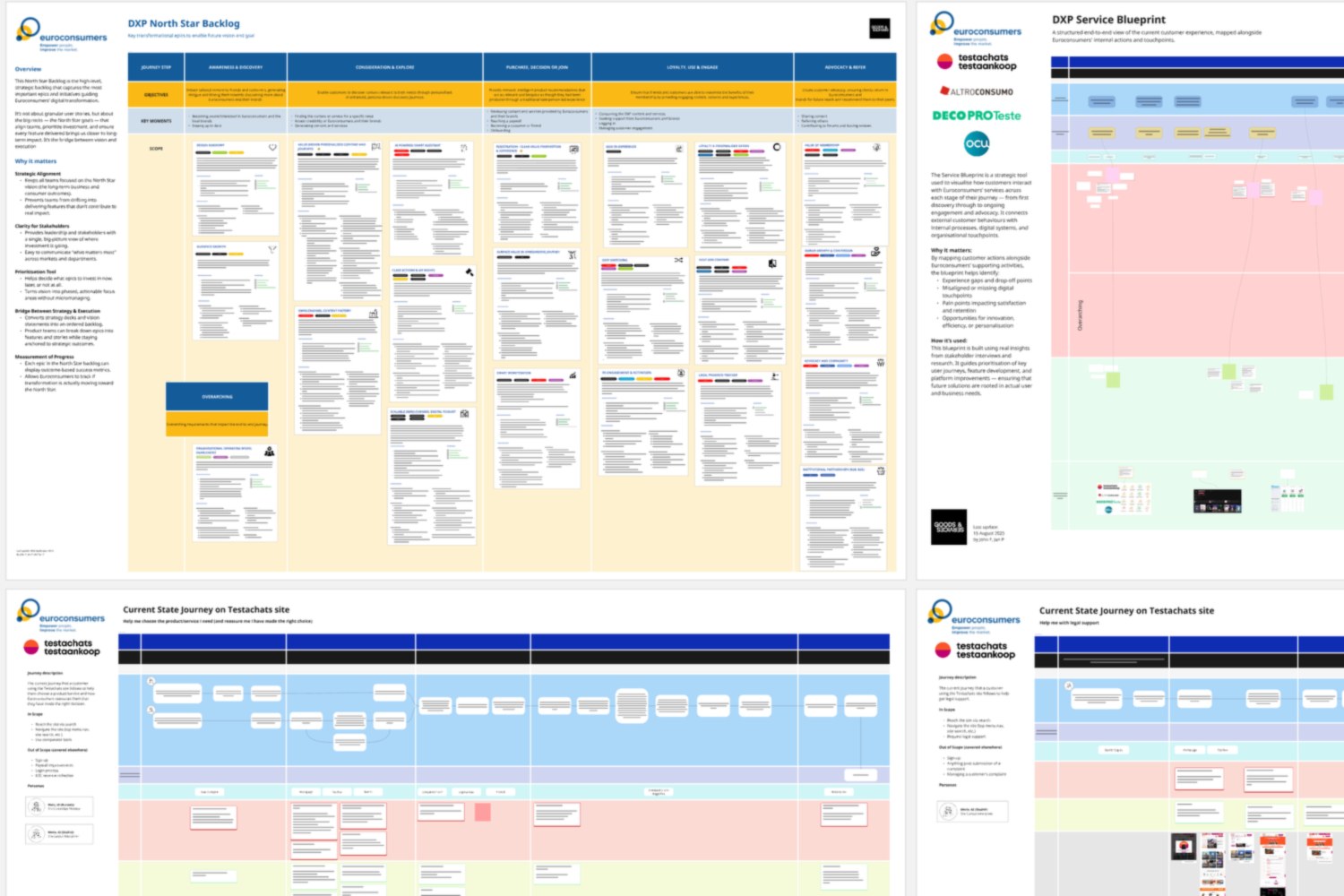
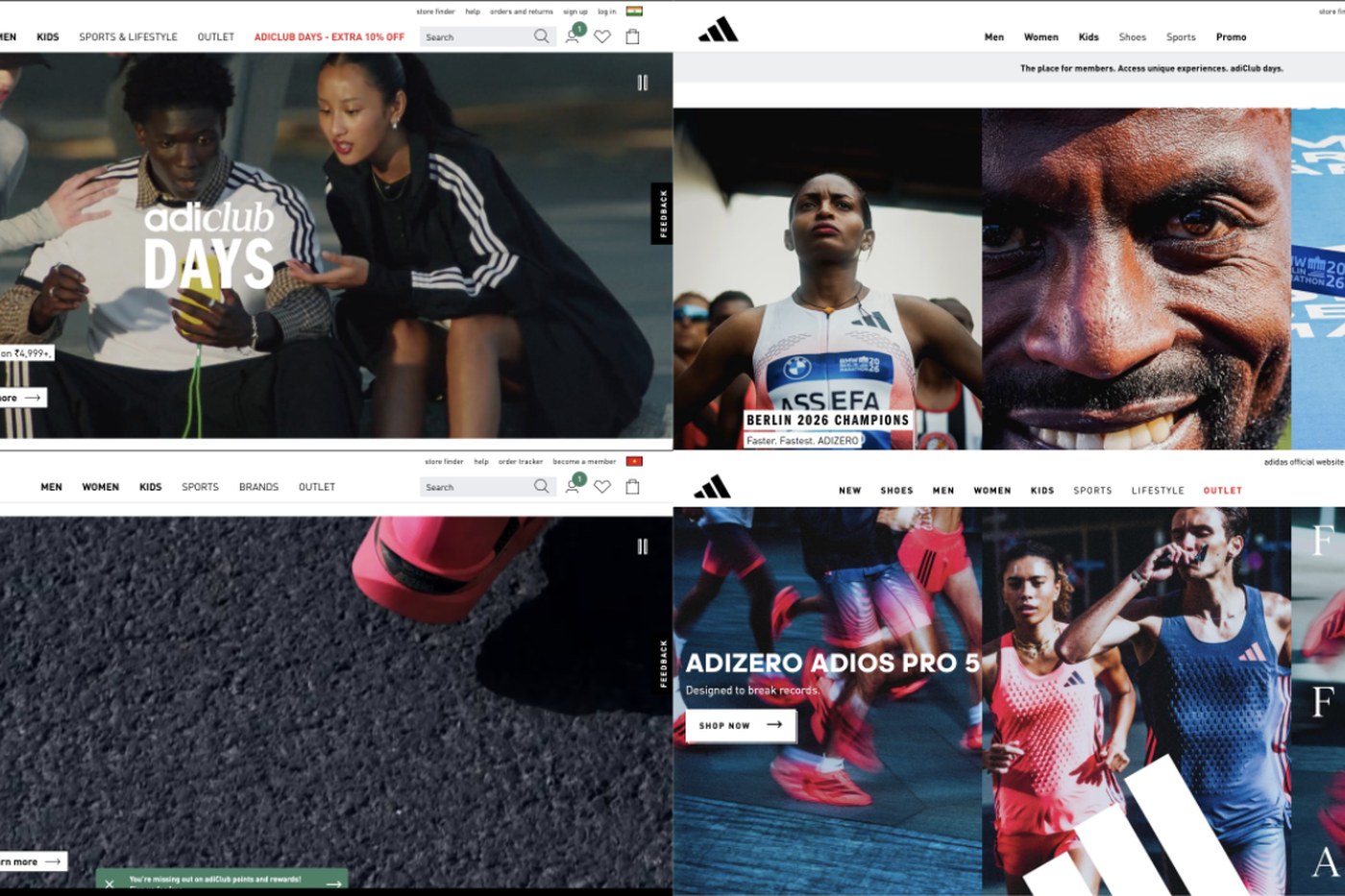
Biochemistry, then supply chain and retail operations at Tesco, Capgemini and Ahold Delhaize, then digital at Isobar, Wipro Digital and Goods & Services. That sequence shows up in the work. The ZEISS discovery surfaced how much their own operations teams would have to change before anyone had written a requirement; the Euroconsumers analysis mapped the organisation’s journeys behind the customer’s; the adidas assessment scored warehousing, carriers and contract notice periods separately and found them the binding constraint. A commerce platform is a shopfront on an operation. Designing one without the other is how a programme ships on time and fails anyway.
AI is part of how I work, and I use it in several places: synthesis, turning interview notes into candidate themes; testing my own thinking, generating ideas against those themes and then arguing with them; and content production at volumes that would otherwise hold a release up. Everything it produces gets checked — themes against my own notes from the room, the ZEISS application pages against the requirements they were written from. What it changes is how quickly I get from raw research to something a board can act on. What it does not change is who is accountable for what goes out.